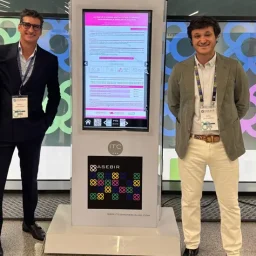


Ovoclinic, a group of assisted reproduction clinics based in Marbella, Madrid – where a second location was recently opened – Ceuta and Seville, has been awarded double ISO 9001 and UNE 179007 certification by Bureau Veritas, a global testing, inspection and certification service provider. Ovobank, the most important egg bank in the world, is also involved in this recognition.
One of the main objectives of Ovoclinic and Ovobank is to drive and promote quality in all aspects of their business: from the way they work to the products they supply, ensuring quality at all levels of their service. In our assisted reproduction clinic, the quality of the processes, the safety and well-being of the patients are fundamental factors for the success of the treatments and the satisfaction of the users who place their trust in us.
For Ovoclinic and Ovobank, having nationally and internationally recognised certifications not only guarantees compliance with high quality standards, but also strengthens patient confidence and enhances the prestige of the brand.
Before we talk about the benefits of obtaining dual certification, we would like to give you an individual breakdown of the standards mentioned:
ISO 9001: is the most widely recognised quality management standard in the world. It is an international standard for QMS, which are Quality Management Systems that focus on continuous improvement of processes and customer satisfaction.
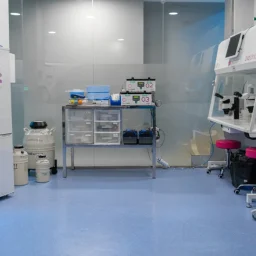
UNE 179007: this recognition is national and establishes the specific requirements for quality management in assisted reproduction laboratories (LHRA). The main objective is that the procedures for handling gametes, embryos and biological samples are correct, which entails generating maximum safety in the fertilisation and storage processes.
Benefits of Double Certification in Assisted Reproduction
- Having ISO 9001 certification encourages the regular review of procedures and ensures that we are in a process of continuous improvement. This means more efficient treatments and constant optimisation in the management of resources, which in turn reduces errors and improves results for our patients.
- For its part, the UNE 179007 provides safety and reliability. It guarantees that assisted reproduction laboratories comply with high quality standards in the manipulation of gametes and embryos. This includes rigorous control in traceability, cleaning and sterilisation of equipment, as well as safe storage of samples. Patients can thus have peace of mind that their biological samples are being treated with the utmost care.
- For patients, it is evidence that our dual certification ensures that we follow strict quality and safety protocols. This trust is a fundamental value for us because patients are often emotionally involved in treatments.
- We have national and worldwide recognition thanks to ISO 9001, while at a national level it is UNE 179007 that gives us a high prestige within our sector. Moreover, the latter is gaining reputation in recent years as a seal of guarantee for specialised laboratories.
- ISO 9001 focuses on patient satisfaction. Through its implementation, the clinic ensures that services are designed to meet patient expectations and exceed their needs. Constant evaluation of satisfaction helps us to adapt and improve based on the feedback received.
- Both certificates ensure that we comply with all current legal and regulatory requirements. In the field of assisted reproduction it is vital to comply with the law to protect our patients and medical staff. Recognition also makes it easier for the clinic to adapt to new laws or regulations, which reduces health and legal risks.
- Traceability is another key point. This double certification guarantees that every sample and every process in the laboratory and in the clinic is perfectly documented and traceable. This minimises errors in sample identification and handling, providing additional assurance for both patients and the clinic.