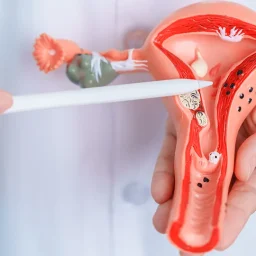


Becoming a mother can be a very exciting journey, but it’s not always without obstacles. In this regard, fertility diagnosis and personalized treatments are fundamental tools for women who want to get pregnant but face certain difficulties.
It is important to understand that each case is unique, and understanding individual complexities is necessary. A precise diagnosis provides clarity about possible causes, paving the way to find the most suitable solution and increase the chances of conception.
THE IMPORTANCE OF FERTILITY DIAGNOSIS
Fertility diagnosis and personalized treatments are key tools for women seeking to conceive and facing obstacles along the way. In a world where infertility can cause emotional stress, an accurate diagnosis provides clarity about possible causes, helping to find the path to more personalized solutions. Each case is unique, and understanding individual complexities is essential.
THE DIAGNOSTIC PROCESS
Fertility diagnosis is essential to determine the causes of fertility problems. No two cases are the same, and understanding the particularities of each case is essential to determine the best treatment.
- Blood tests: The diagnostic process may include blood tests to assess hormonal levels. It provides valuable information about hormonal health, a crucial factor for conception capability.
- Ovulation tests: To determine cycle regularity, ovulation tests may be conducted to identify possible irregularities in ovulation that may be hindering pregnancy.
- Reproductive health studies of your partner: It is important to note that diagnosis is not solely focused on the woman. Fertility is a joint process involving both the woman and the man. Therefore, reproductive health tests for the partner may also be conducted during the diagnostic process.
ULTRASONOGRAPHY TESTS
During the diagnostic process, fertility specialists may also conduct ultrasonography tests to assess the health of the ovaries and uterus, such as transvaginal ultrasounds. This allows for the detection of possible obstructions in the fallopian tubes, cysts, or other abnormalities that could be affecting fertility. This is essential information for determining the best treatment.
PERSONALIZED TREATMENTS
Once the diagnosis is completed, the next step is to design a personalized treatment plan. The uniqueness of each case means that there is no one-size-fits-all approach that works for everyone. This is where personalized treatments come into play, offering solutions tailored to the specific needs of each patient.
1. HORMONAL THERAPIES
In many cases, hormonal imbalances are the underlying cause of difficulties conceiving. Personalized treatments may include hormonal therapies to regulate hormone levels and improve egg quality. These therapies are carefully designed to reduce side effects and increase the chances of conception.
2. IN VITRO FERTILIZATION (IVF)
For more complex cases, in vitro fertilization (IVF) has become one of the most effective options. A process involving fertilizing eggs outside the body and transferring the resulting embryos to the uterus. These types of treatments are highly customizable, allowing specialists to adjust the ovarian stimulation protocol and other stages of the process based on the needs of each patient.
3. REPRODUCTIVE SURGERY
In some cases, structural abnormalities may be the cause of infertility. In this regard, reproductive surgery is often the best solution, significantly improving the chances of conception. Whether to correct obstructions in the fallopian tubes or to treat problems in the uterus.
THE ROLE OF NUTRITION AND LIFESTYLE
In addition to medical treatments, nutrition, regular exercise, and lifestyle also play a fundamental role in fertility.
DIET AND SUPPLEMENTS
A balanced diet rich in nutrients is essential for improving fertility. Some key nutrients include folic acid, iron, and omega-3 fatty acids. Additionally, in some cases, supplements may be advisable to obtain all the necessary nutrients.
STRESS MANAGEMENT AND EMOTIONAL IMPACT
Stress can be detrimental to fertility, so it is advisable to incorporate stress management strategies into your daily life. Meditation, yoga, and other relaxation practices can be beneficial for our emotional well-being and, therefore, benefit our ability to conceive.