

The term endometriosis was first mentioned in 1885 by the German pathologist Friedrich Daniel von Recklinghausen. The first pathological description is due to the anatomopathologist Karl Freiherr von Rokitansky. In 1921, John Albertson Sampson (1873-1943), an American physician, began a series of publications on the disease (1).
Endometriosis is thus defined as the presence of endometrial glands and stroma outside the endometrial cavity and uterine musculature. These ectopic endometrial implants are usually in the pelvis, but can occur almost anywhere in the body. Endometriosis can be associated with many bothersome and debilitating symptoms, such as pelvic pain, adnexal lumpiness, severe dysmenorrhoea, dyspareunia, infertility or be asymptomatic. The latter form is discovered by laparoscopy or exploratory surgery (2, 3).
In the following, we will take an in-depth look at endometriosis and its close relationship with fertility. In commemoration of World Endometriosis Day, we will look at how and to what extent it affects ovarian reserve and egg quality.
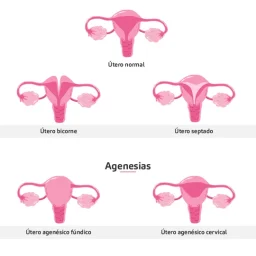
There are several factors that can contribute to the development of endometriosis. Risk factors include family history. Women who have first-degree relatives with endometriosis have been found to have an increased prevalence of 6-9% and up to 15% for severe disease (4). In addition, prolonged exposure to endogenous oestrogens also contributes to its occurrence, which is associated with nulliparity, early menarche (before the age of 11 years), short menstrual cycles (less than 26 days) and late menopause (over 55 years). Obstruction of menstrual flow as seen in mullerian anomalies contributes to retrograde menstruation.
Other minor risk factors include low body mass index, consumption of meat and unsaturated trans fats or trans fats (TFA), and exposure to DES, diethylstilbestrol (endocrine disruptor) (4).
There is evidence that the impact on fertility is multifactorial, compromising the reproductive process in multiple events (5). It has been reported that oocytes from women with endometriosis are of lower quality as a consequence of an adverse follicular environment (6).
Endometriosis is associated with high levels of oxidative stress, which contributes to apoptosis (cell death) of ovarian cells and progressive reduction in the number of oocytes. A meta-analysis of 22 non-randomised studies by Barnhart et al. found a significantly lower pregnancy rate, especially in more advanced stages of the disease (5).
Diagnosis of endometriosis
The diagnosis of endometriosis is made by diagnostic laparoscopy, which is the gold standard method. This allows evaluation of the retroperitoneal structures, visualisation of the lesions involved in each organ, delimitation of the affected tissue, biopsies for histological study and surgical resection as treatment (4).
Laparoscopic surgical management of endometriosis, compared to the open approach, allows for a short hospital stay, rapid recovery and smaller incisions. Thus, cauterisation or removal of visible endometriotic lesions should be considered during diagnostic laparoscopy.
Laparoscopic treatment of ovarian endometrioma by removal of the cyst wall appears to be the best surgical treatment (7).
Assisted reproduction as a solution to infertility
Treatment options for infertility associated with endometriosis remain limited. Surgery and Assisted Reproductive Technologies (ART) remain the basis for effective treatment. All currently approved medical therapies for this disease prevent or decrease fertility and are therefore not useful in the treatment of this disease. Future non-hormonal medical therapies that can improve fertility are needed. Infertility associated with endometriosis requires a multidisciplinary, personalised, shared and holistic approach based on the unique characteristics of the patient, the subtype of endometriosis and the level of involvement (8).
Assisted reproduction is the treatment of choice in cases of severe tubo-peritoneal factor, severe male factor or when other less complex treatments have failed. In vitro fertilisation (IVF) treatment should be considered in cases of moderate to severe endometriosis, as it increases the chance of clinical pregnancy by up to 4 times (3).
Therefore, from Ovoclinic we recommend all those women who suffer from endometriosis and who wish to fulfil their dream of becoming mothers, to go to our assisted reproduction clinics located in Spain. A professional specialist will assist you and guide you to find a solution to the infertility caused by this disease.
Bibliography
(1) Restrepo Cano, G. A. (2012). Endometriosis and infertility. Revista Peruana de Ginecología y Obstetricia, 25(1), 31-34. Retrieved February 27, 2025, from http://www.scielo.org.co/pdf/iat/v25n1/v25n1a4.pdf.
(2) Olive DL, Schwartz LB. Endometriosis. N Engl J Med.1993 Jun 17 328(24):1759-69.
(3) Rechkemmer, A. F. (2012). Management of endometriosis and infertility. Revista Peruana de Ginecología y Obstetricia, 58, 101-105. Retrieved February 27, 2025, from http://www.scielo.org.pe/pdf/rgo/v58n2/a06v58n2.pdf.
(4) Hernández Lee, A., Quiroz Soto, C. D., & Sánchez Mora, M. J. (2023). Endometriosis: a complex disease with an impact on women’s quality of life. Revista Médica Sinergia, 8(8), e1089. https://doi.org/10.31434/rms.v8i8.1089
(5) Zegers-Hochschild, F., & Parodi, A. H. (2010). Endometriosis and infertility. Revista Médica Clínica Las Condes, 21(3), 403-408. https://doi.org/10.1016/S0716-8640(10)70551-4
(6) N. Garrido, J. Nevarro, J. Remohi, C. Simon, A. Pellicer. Follicular hormonal environment and embryo quality in women with endometriosis. Human Reproduction Update, 6 (2000), pp. 67-74. https://pubmed.ncbi.nlm.nih.gov/10711831/
(7) Hart R, Hickey M, Maouris P, Buckett W, Garry R. Excisional surgery versus ablative surgery for ovarian endometrioma: a Cochrane Review. Hum Reprod. 2005;20(11):3000-7.
(8) Bonavina G and Taylor HS (2022). Endometriosis-associated infertility: From pathophysiology to tailored treatment. Front. Endocrinol. 13:1020827. doi: 10.3389/fendo.2022.1020827