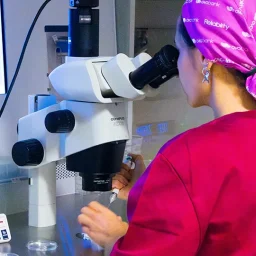


Epigenetics is the discipline that deals with the study of heritable and reversible modifications that influence gene function without altering the DNA sequence, playing a crucial role in the development of common diseases such as cardiovascular, cancer, and brain-related disorders.
For example, mechanisms like memory, learning, age-related cognitive decline, or behavioral disorders are largely regulated by epigenetic processes.
But what is epigenetics really, and how does it influence our bodies? Below, we explain how it affects diseases, longevity, and even fertility.
WHAT IS EPIGENETICS?
The word “epigenetics” derives from the Greek “epi” (upon, above) and “genetics” (related to genes). Essentially, it refers to changes in gene expression that do not alter the DNA sequence. Imagine DNA as the script of a movie and epigenetics as the production team that decides which scenes are filmed and which ones are cut, without changing the original script.
Epigenetic marks are small chemical tags added to DNA or proteins related to it, acting as switches that control gene activity. When certain genes are methylated, for example, they are turned off, while acetylation can activate them. It’s like a molecular dance that determines which parts of the genetic code are expressed.
HOW DOES EPIGENETICS INFLUENCE HUMAN DEVELOPMENT?
From the moment of conception, it plays a crucial role in embryonic development. Embryonic cells undergo epigenetic changes that specialize them into different types of cells, such as neurons, muscles, or blood cells, as if each cell received its own customized script.
But nutrition and the environment during gestation and infancy also leave their epigenetic mark. Various studies have shown that a balanced maternal diet and a healthy environment can positively influence the gene expression of the fetus. On the other hand, stress or malnutrition situations can be harmful in the long term.
HOW CAN WE BENEFIT POSITIVELY FROM OUR EPIGENETICS?
The good news is that we are not entirely at the mercy of our epigenetic marks. Lifestyle plays a key role. Healthy habits such as a balanced diet, regular exercise, and stress management can have a positive impact on your epigenetic marks, promoting the expression of genes related to health.
Sleep is also a determining factor. In fact, lack of sleep can negatively affect epigenetic marks related to the immune system and stress. Therefore, enjoying good rest is essential.
WHAT IS THE RELATIONSHIP BETWEEN EPIGENETICS AND DISEASES?
Research in this field has revealed a direct relationship between epigenetic changes and various diseases. For example, abnormal methylation of certain genes has been linked to cancer, while epigenetic imbalances are related to neuropsychiatric disorders such as schizophrenia and bipolar disorder.
CAN EPIGENETICS INFLUENCE OUR LONGEVITY?
Studies in identical twins have shown that, over time, marks can change between them, influencing the pace of aging and the predisposition to age-related diseases.
This means that, despite sharing the same initial genetic information, individual experiences and personal environments contribute to modifying epigenetic activity throughout life.
This discovery not only opens up new perspectives in the study of aging but also highlights the importance of environmental factors and lifestyle in shaping our biological destiny.
ITS ROLE IN MEDICINE
One of the most interesting aspects of epigenetics is its potential in personalizing medical treatments. Understanding how epigenetic marks influence certain diseases allows for the development of more personalized and precise treatments.
Additionally, research in therapies in this field is booming. Drugs are being developed that can modify epigenetic marks to treat diseases such as cancer. These therapies have the potential to be more specific and less invasive than conventional treatments.
EPIGENETICS IN FERTILITY TREATMENTS
Currently, epigenetics is used in assisted reproduction treatments to select embryos with a higher probability of success. Epigenetic marks determine which genes are activated or deactivated in the cells that will eventually form the embryo, which is crucial for optimizing fertility treatments from the beginning.
In these types of treatments, the marks of embryos are examined to identify those with more favorable epigenetic patterns, thus improving implantation rates and reducing the chances of miscarriage.